



Artificial Intelligence tools have evolved far beyond simple chatbots. In 2026, AI assistants are becoming full productivity systems capable of writing code, analyzing documents, generating images, automating workflows, and even acting like autonomous software agents.
Two names dominate this conversation right now:
- Claude by Anthropic
- ChatGPT Plus by OpenAI
But there is a major twist in 2026.
The debate is no longer simply “Claude vs ChatGPT.”
Now it is:
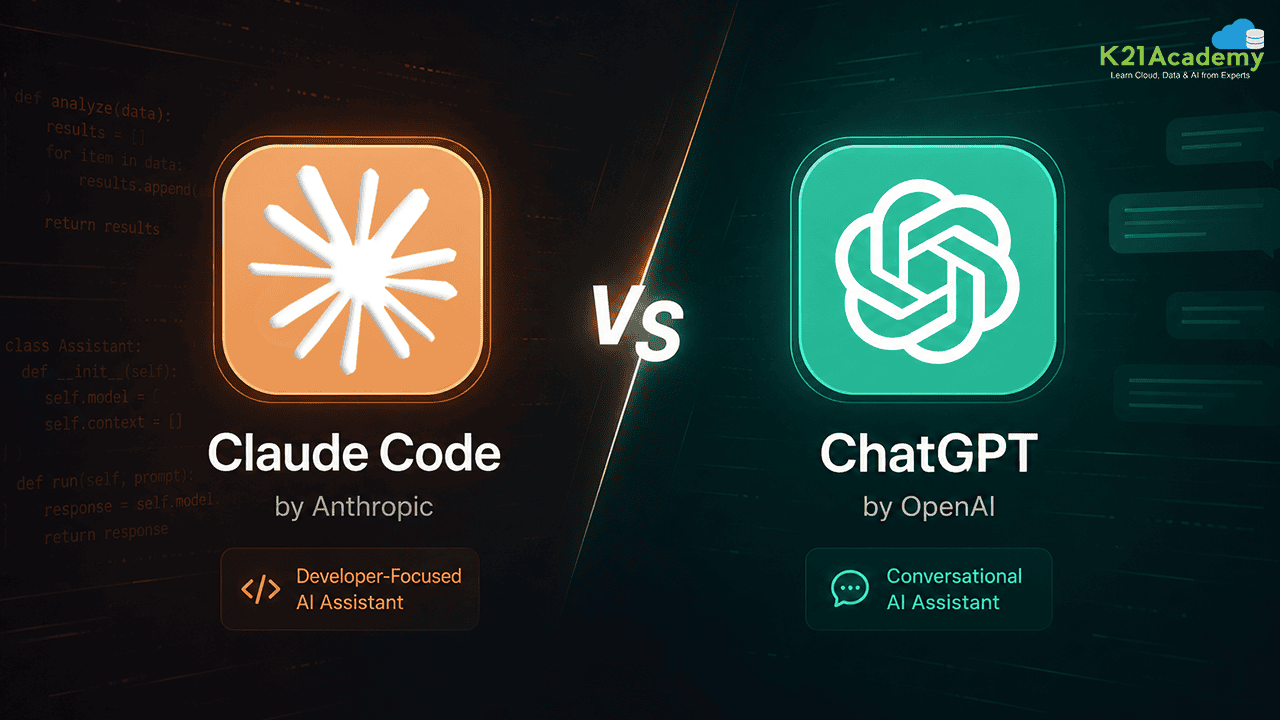
Claude Code vs ChatGPT Plus
One focuses heavily on autonomous coding workflows and large-context reasoning. The other aims to be an all-in-one AI ecosystem with multimodal capabilities, memory, voice, custom GPTs, web search, image generation, and productivity integrations.
So which one deserves your money per month in 2026?
The answer depends entirely on how you work.
Let’s break it down honestly.

What Is Claude Code?
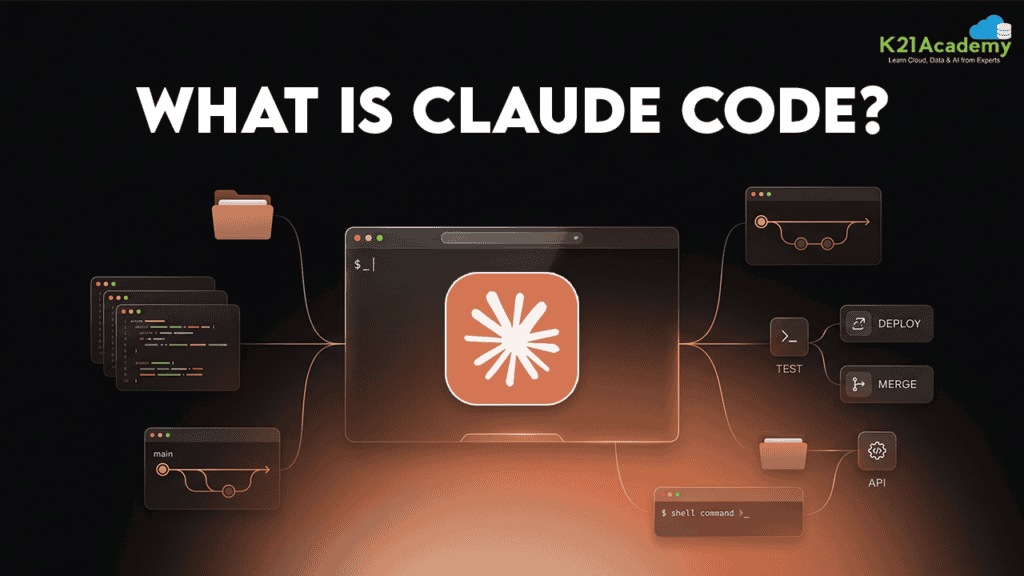
Claude Code is Anthropic’s terminal-based AI coding assistant designed for developers who work inside real projects and real codebases.
Unlike a traditional chatbot, Claude Code behaves more like an AI software engineer, AI engineer.
It can:
- Read entire repositories
- Edit multiple files
- Run shell commands
- Understand huge codebases
- Refactor projects
- Work with Git
- Execute agentic workflows
Many developers describe Claude Code as the first AI tool that feels like “working with a junior engineer” rather than merely autocomplete.
Anthropic has heavily focused on long-context reasoning and code intelligence. Several 2026 comparisons suggest Claude performs exceptionally well in large-scale refactoring, debugging, and architecture-level coding tasks.
The biggest differentiator?
Context window size and reasoning depth.
Claude models can process extremely large documents and repositories while maintaining coherence better than many competing systems.
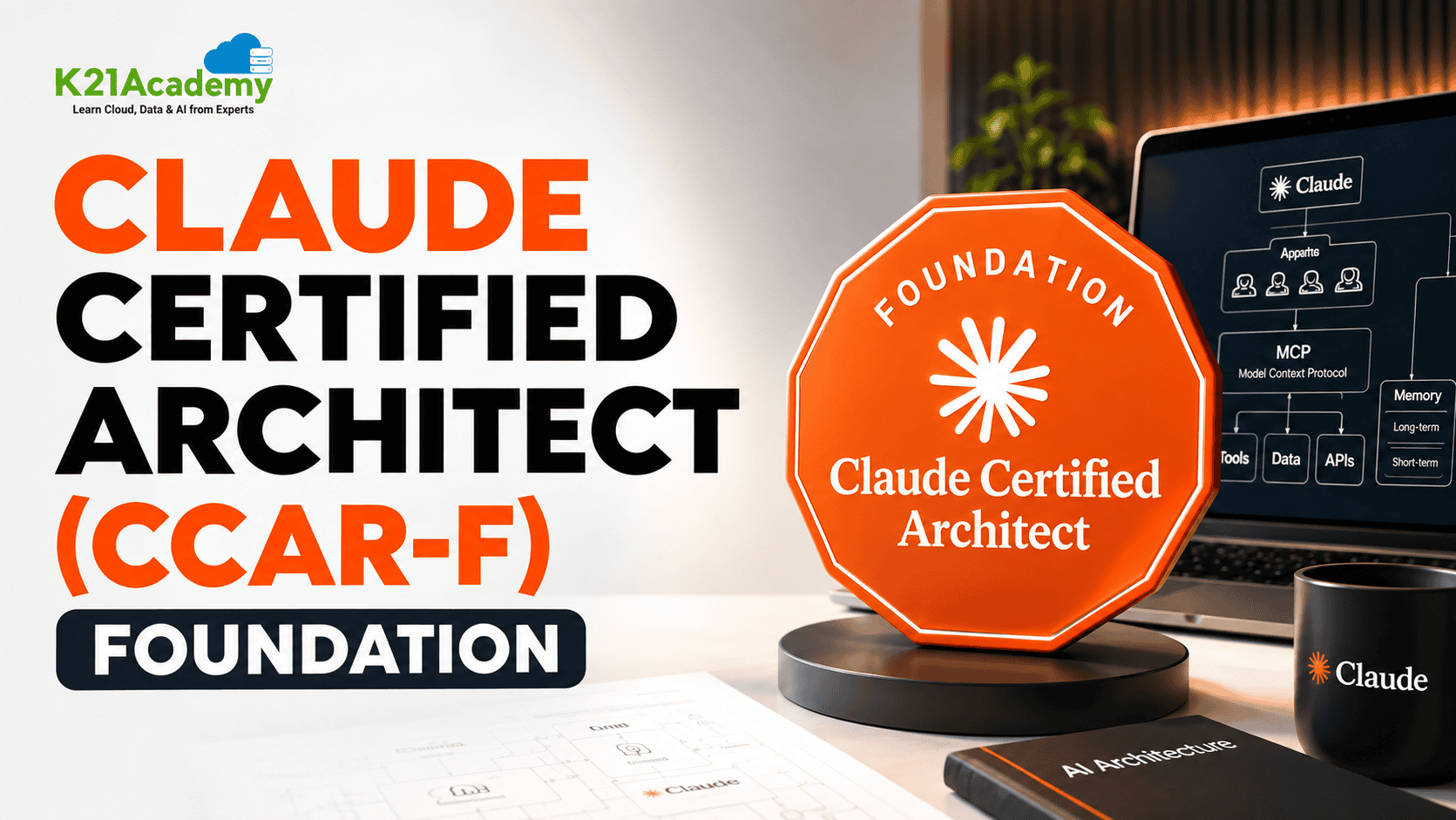
if you really want to master Claude Code you can also prepare for this official certification: Claude Certified Architect Foundations.
What Is ChatGPT Plus?
ChatGPT is OpenAI’s premium AI assistant subscription.
For $20/month, ChatGPT Plus gives users access to advanced GPT models, multimodal features, tools, memory, web browsing, image generation, advanced voice interaction, file analysis, and coding assistance.
In 2026, ChatGPT has evolved into something much broader than a GenAI chatbot.
It is now:
- A coding assistant
- A research tool
- A writing partner
- A design assistant
- A productivity platform
- A voice AI companion
- An image/video generation tool
Unlike Claude Code, ChatGPT focuses on versatility.
It can:
- Generate images
- Analyze spreadsheets
- Search the web
- Create presentations
- Run Python code
- Build custom GPTs
- Handle voice conversations
- Perform multimodal reasoning
This broad ecosystem is one of ChatGPT’s biggest strengths.
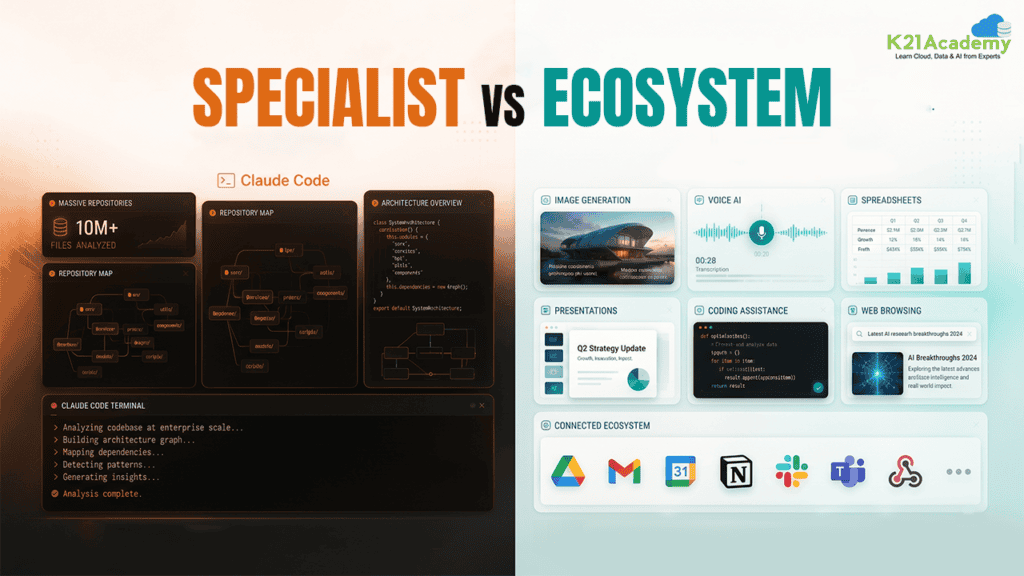
The Biggest Difference: Specialist vs Ecosystem
This is the real comparison.
Claude Code is a specialist tool.
ChatGPT Plus is an AI operating system.
If your life revolves around:
- software engineering,
- large codebases,
- architecture design,
- debugging,
- autonomous coding ai agents,
then Claude Code feels incredibly powerful.
But if you want:
- one AI for everything,
- image generation,
- content creation,
- presentations,
- voice mode,
- coding,
- research,
- automation,
- productivity workflows,
then ChatGPT Plus becomes much harder to beat.
This distinction matters more than benchmarks.
Related Readings: Claude Code vs GitHub Copilot vs Cursor: Which AI Coding Assistant Should You Learn?
Coding Performance: Who Actually Wins?
This is where things get interesting.
Across multiple developer comparisons in 2026, Claude consistently performs extremely well in:
- code reasoning,
- refactoring,
- long-context understanding,
- Multimodal ai agents
- debugging,
- architecture planning.
Many developers report that Claude-generated code feels:
- cleaner,
- less rushed,
- more maintainable,
- more thoughtful.
Claude Code especially shines during:
- multi-file edits,
- creating your own llm
- legacy code analysis,
- large repository understanding,
- infrastructure reasoning.
A recent developer comparison described Claude as “the master architect” while ChatGPT Codex was described as “the production-ready powerhouse.”

That summary is surprisingly accurate.
ChatGPT, however, wins in several important areas:
- faster iteration,
- better tool integrations,
- live Python execution,
- broader workflow support,
- multimodal coding support,
- web-connected development assistance.
OpenAI’s coding ecosystem is also much larger.
You get:
- Code Interpreter,
- GPTs,
- Codex integrations,
- browser tools,
- plugins,
- automation systems.
- chatbot development
For many developers, this ecosystem matters more than raw coding intelligence.
Writing Quality: Claude Still Has an Edge
If you are a writer, marketer, strategist, or researcher, Claude remains extremely strong in long-form writing.
Many users consistently report that Claude:
- sounds more natural,
- follows tone better,
- produces less robotic content,
- handles nuance more effectively.
Claude’s writing often feels calmer and more deliberate.
ChatGPT is excellent for:
- structured outputs,
- fast drafting,
- content ideation,
- SEO workflows,
- brainstorming,
- multimodal content.
But Claude tends to produce prose that requires less editing.
That difference becomes noticeable for:
- blog writing,
- storytelling,
- persuasive copy,
- strategic documentation,
- analytical reports.
Related Readings: Top 10 Claude Code Use Cases Every Developer Should Know
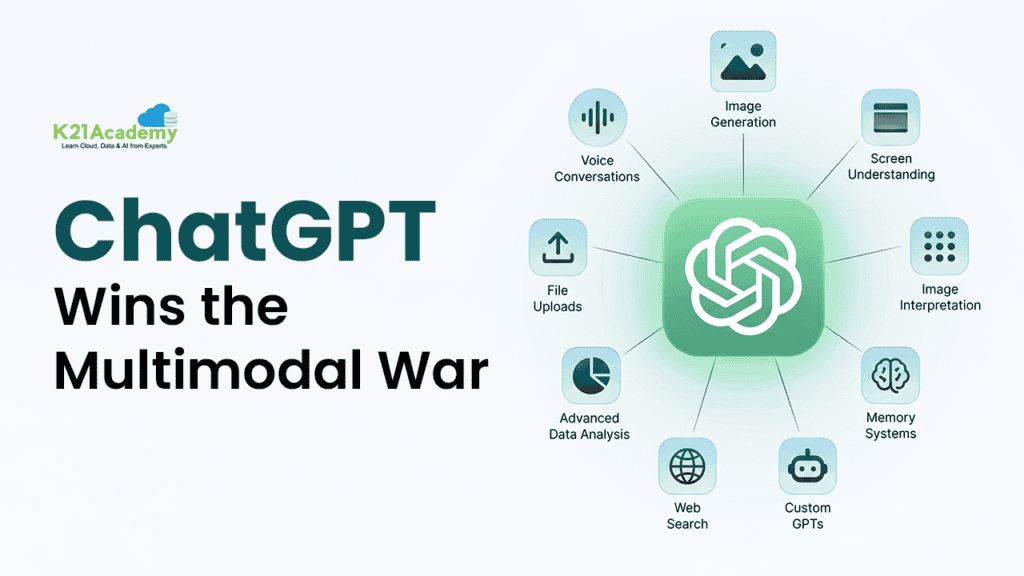
ChatGPT Wins the Multimodal War
This category is not even close.
ChatGPT dominates multimodal AI experiences in 2026.
It offers:
- image generation,
- voice conversations,
- screen understanding,
- file uploads,
- advanced data analysis,
- image interpretation,
- web search,
- memory systems,
- custom GPTs.
Claude still lacks several of these ecosystem-level features.
This becomes a major deciding factor for non-developers.
If you are:
- a student,
- marketer,
- creator,
- entrepreneur,
- consultant,
- business owner,
then ChatGPT Plus usually delivers more practical value per dollar.
It replaces multiple tools at once.
Claude is incredible at reasoning.
ChatGPT is incredible at being useful everywhere.
Related Readings: Comparing the Best AI Chatbots for Your Business: What’s Best for You?
Context Window: Claude’s Secret Weapon
This is where Claude becomes genuinely impressive.
Claude handles extremely large inputs remarkably well.
You can:
- paste massive codebases,
- upload huge documents,
- analyze long reports,
- work across giant contexts.
Many developers and researchers consider Claude’s long-context reliability superior in real-world usage.
For example:
- legal analysis,
- technical documentation,
- enterprise architecture,
- multi-file debugging,
- research synthesis,
all benefit enormously from large context handling.
ChatGPT has improved significantly, but Claude still has a strong reputation in this area.
Related Readings:- 7 System Design Patterns Every Cloud AI Engineer Should know
Pricing: Is Either One Actually Worth $20?
Surprisingly, yes.
Both tools are reasonably priced considering what they can replace.
For around $20/month:
- ChatGPT Plus becomes an all-purpose AI workspace.
- Claude Pro becomes a high-end reasoning and coding assistant.
However, usage limits matter.
Some users report Claude’s limits feel more restrictive during heavy coding sessions.
ChatGPT Plus generally feels more flexible for broader daily usage.
That difference becomes important for power users.
Related Readings: Generative AI vs Agentic AI: Key Differences
Who Should Buy Claude Code?
You should seriously consider Claude Code if you are:
- a professional developer,
- working on large codebases,
- handling complex refactors,
- building AI engineering workflows,
- prioritizing reasoning quality,
- analyzing huge technical documents.
Claude Code especially shines for:
- backend engineering,
- systems architecture,
- infrastructure work,
- debugging legacy systems,
- autonomous coding agents.
If coding is your primary job, Claude Code may genuinely improve your workflow more than ChatGPT Plus.
Related Readings:- What is the difference between Free ChatGPT & ChatGPT-4?
Who Should Buy ChatGPT Plus?
ChatGPT Plus is the better choice if you:
- want one AI tool for everything,
- create content regularly,
- use image generation,
- need voice interaction,
- work with spreadsheets or presentations,
- value integrations and ecosystem tools,
- I want web-connected AI assistance.
It is also better for:
- students,
- creators,
- marketers,
- founders,
- freelancers,
- general productivity users.
For most average users, ChatGPT Plus delivers broader value.
Related Readings:- 10 Best ChatGPT Alternatives in 2026
Career Impact: Does Choosing Claude Code or ChatGPT Affect Your Future?
The biggest mistake professionals make is evaluating AI tools only by monthly subscription cost.
The real question is:
Which AI tool helps you build valuable career skills in 2026?
A $20/month subscription decision can influence the type of expertise you develop, the projects you build, and the roles you become qualified for.
In 2026, companies are increasingly looking for professionals who can demonstrate practical AI skills, not just familiarity with AI chatbots.
The market is moving toward specialized AI capabilities such as:
- AI-assisted software development
- Agentic AI workflows
- AI automation
- Cloud AI engineering
- Enterprise AI implementation
- AI governance and responsible AI practices
Claude Code: Stronger Path for AI Engineering Careers
For developers and cloud professionals, Claude Code aligns closely with emerging AI engineering roles.
Professionals building expertise with Claude Code are developing skills around:
- AI coding agents
- Repository-level reasoning
- Autonomous development workflows
- MCP integrations
- AI-powered DevOps automation
- Enterprise AI workflows
Certifications such as Anthropic’s Claude Certified Architect Foundations (CCA-F) are designed to validate practical Claude-related skills for professional environments.
These types of credentials can help professionals demonstrate AI workflow expertise beyond simply saying:
“I use ChatGPT.”
ChatGPT: Broader Productivity and AI Adoption Skills
ChatGPT Plus provides valuable skills for a much wider audience.
It is especially useful for developing capabilities in:
- AI-assisted research
- Content generation
- Data analysis
- Business automation
- Custom GPT creation
- Productivity workflows
However, ChatGPT proficiency itself is generally considered a broader AI productivity skill rather than a specialized technical certification pathway.
Which One Helps More for High-Paying AI Roles?
For professionals targeting roles such as:
- AI Engineer
- Agentic AI Engineer
- AI Platform Engineer
- Cloud AI Architect
- AI Automation Consultant
- DevOps Engineer with AI specialization
deep expertise with AI coding agents and enterprise AI workflows can create stronger career differentiation.
A useful way to think about it:
| Goal | Better Choice |
|---|---|
| Become an AI Engineer | Claude Code |
| Build AI-powered applications | Claude Code + ChatGPT |
| Improve daily productivity | ChatGPT Plus |
| Create content and presentations | ChatGPT Plus |
| Work with large codebases | Claude Code |
| Learn AI agents and automation | Claude Code |
| General AI adoption skills | ChatGPT Plus |
Career Reality in 2026
The tool you choose is not just a software subscription decision.
It is a skill investment.
Developers who deeply learn Claude Code, AI agents, MCP, cloud automation, and AI-assisted engineering workflows are positioning themselves for a different career path than users who only use AI for basic productivity tasks.
If your goal is a high-paying AI role in 2026, the question is not:
“Which AI tool is cheaper?”
The better question is:
“Which AI capability do I want employers to pay me for?”
The Real Answer: Many Power Users Use Both
This is the truth nobody likes admitting.
A growing number of professionals pay for both services.
Why?
Because the tools excel in different areas.
A common workflow looks like this:
- Claude for deep reasoning and coding
- ChatGPT for multimodal tasks and productivity
That combination is extremely powerful.
But if you can only choose one, your workflow should decide.
Related Readings:- How to Build Your Own AI Bot in 2026: A Complete Guide
Final Verdict
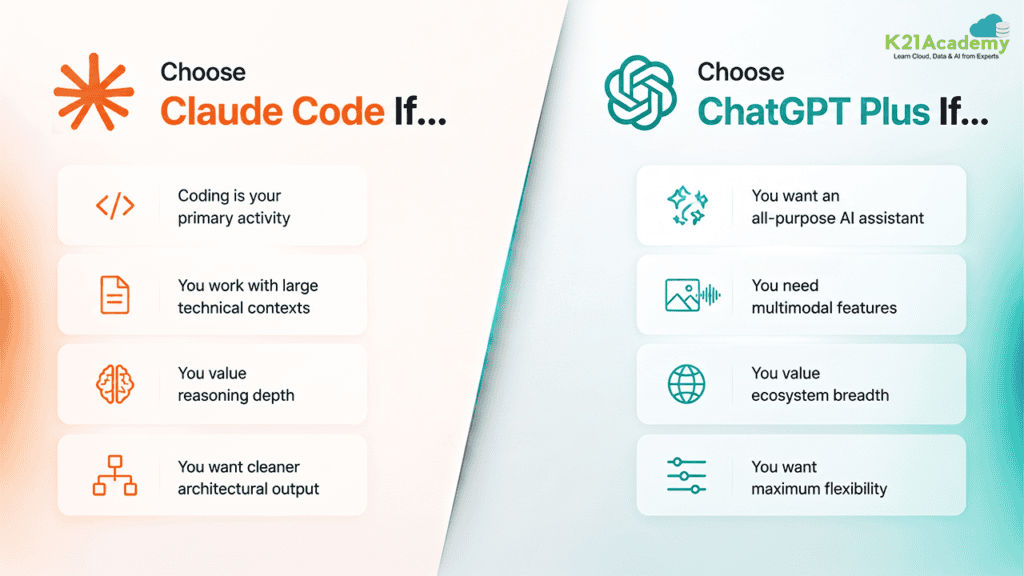
Here is the simplest possible answer.
Choose Claude Code if:
- coding is your primary activity,
- you work with large technical contexts,
- you value reasoning depth,
- you want cleaner architectural output.
Choose ChatGPT Plus if:
- you want an all-purpose AI assistant,
- you need multimodal features,
- you value ecosystem breadth,
- you want maximum flexibility.
Related Readings:- The Future of AI Agents
In 2026, Claude feels like the better AI thinker.
ChatGPT feels like the better AI platform.
Neither is objectively “better.”
They are optimized for different kinds of users.
And that is exactly why this debate has become so interesting.