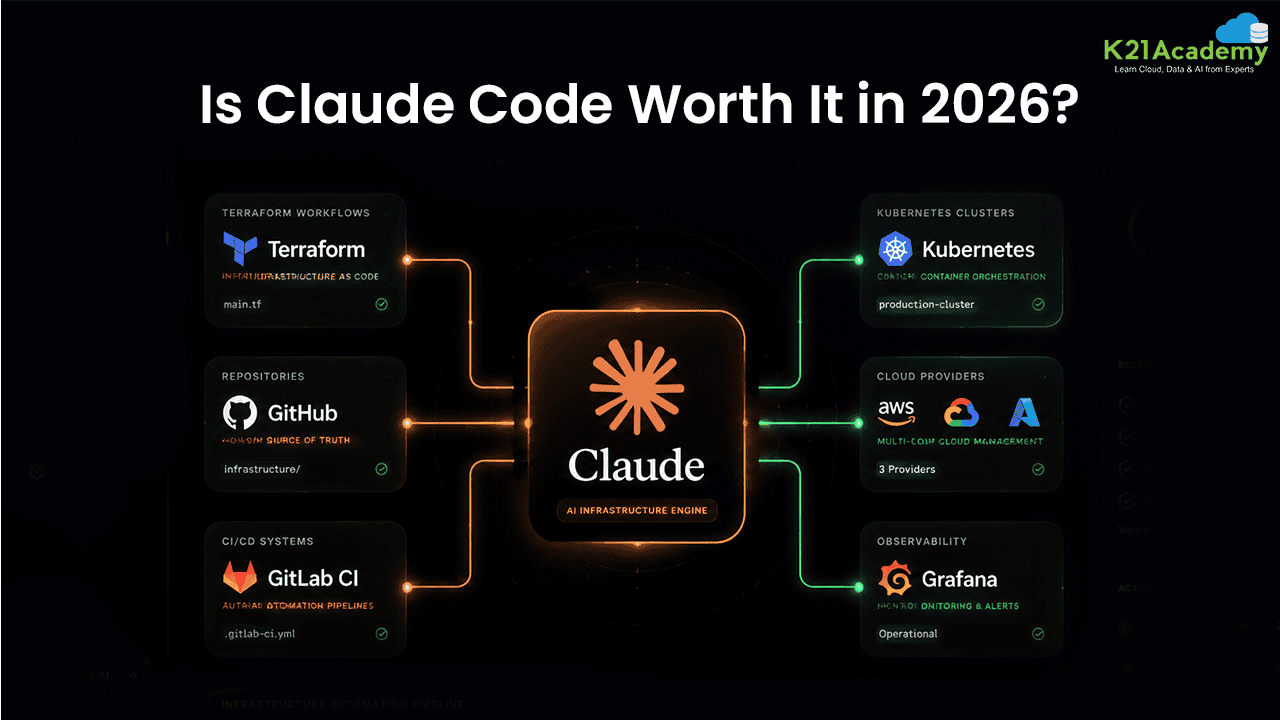





AI coding tools are no longer just autocomplete assistants.
In 2026, tools like Claude by Anthropic are acting more like junior developers, DevOps engineers, documentation writers, and debugging partners combined.
And at the center of Anthropic’s push into agentic software development is Claude Code, a terminal-based AI coding assistant that can read repositories, edit files, execute commands, and automate workflows.
The big question is:
Is Claude Code actually worth paying for in 2026?
Especially when Anthropic now offers:
- A $20/month Pro plan
- A $100/month Max/Premium-style plan
- API-based usage for power users
After months of developer adoption, praise, complaints, and pricing controversy, here’s the honest breakdown.
What Is Claude Code?

Anthropic’s built Claude Code as an agentic coding environment rather than a simple chatbot.
Instead of only answering coding questions in a browser, Claude Code can:
- Access your local project
- Understand entire repositories
- Edit multiple files
- Run shell commands
- Refactor code
- Write tests
- Debug applications
- Generate infrastructure scripts
- Work with Git workflows
- Use MCP connectors and tools
Think of it as:
- Part AI IDE
- Part terminal assistant
- Part autonomous coding agent
This is why many developers compare it less with traditional copilots and more with autonomous engineering assistants.
Many developers describe Claude Code as the first AI tool that feels like “working with a junior engineer” rather than merely autocomplete.
Anthropic has heavily focused on long-context reasoning and code intelligence. Several 2026 comparisons suggest Claude performs exceptionally well in large-scale refactoring, debugging, and architecture-level coding tasks.
The biggest differentiator?
Context window size and reasoning depth.
Claude models can process extremely large documents and repositories while maintaining coherence better than many competing systems.
If you really want to master Claude Code you can also prepare for this official certification: Claude Certified Architect Foundations.
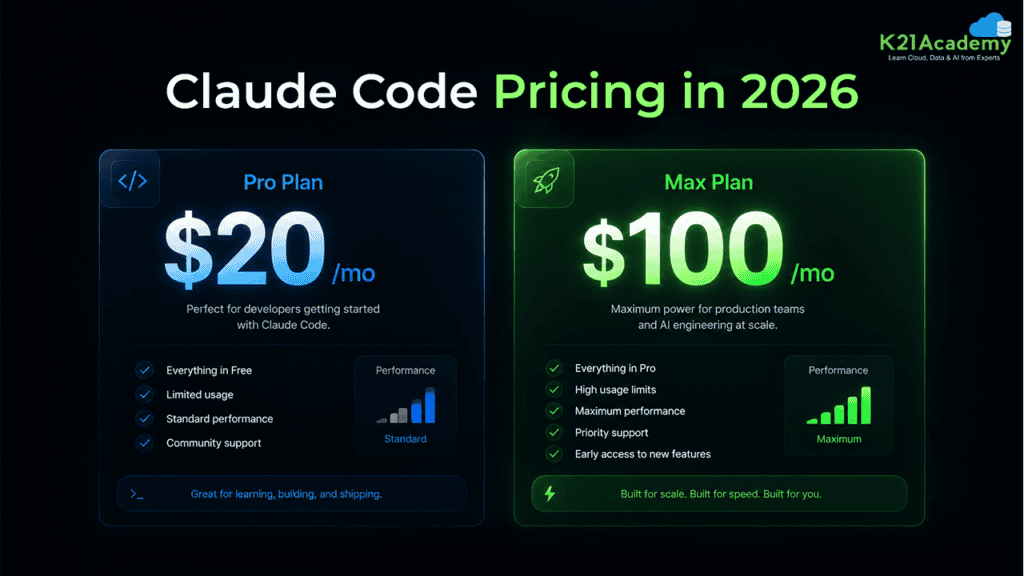
Claude Code Pricing in 2026
According to Anthropic’s official pricing page, Claude Code is bundled into Claude subscriptions rather than sold separately.
Current Pricing
| Plan | Monthly Cost | Best For |
| Free | $0 | Basic Claude chat |
| Pro | $20/month | Individual developers |
| Team Premium | $100/month | Heavy AI coding users |
| API Usage | Variable | Startups & automation |
The $20 Pro plan includes Claude Code access and higher usage limits, while the $100 premium tier significantly increases computer availability and agent usage.
Related Readings:- Claude Code for AI/ML Engineers: Should You Invest the Time? Honest 2026 Worth-It Breakdown
What Claude Code Does Better Than Most AI Coding Tools
1. Repository-Level Understanding
This is Claude Code’s biggest strength.
Instead of generating isolated snippets, Claude Code understands:
- File relationships
- Architecture patterns
- Shared dependencies
- Naming conventions
- Infrastructure layouts
This dramatically improves:
- Refactoring
- Debugging
- Feature implementation
- Migration work
For large enterprise repositories, this matters more than raw model intelligence.

2. Excellent Long-Context Handling
Claude models remain among the best for:
- Long prompts
- Massive documentation
- Large codebases
- Architecture reasoning
This makes Claude Code particularly useful for:
- Monorepos
- Enterprise applications
- AWS infrastructure projects
- Azure AI workloads
- Kubernetes environments
Cloud engineers working with:
often find Claude better at “big picture” reasoning than many competitors.
3. Strong DevOps + Infrastructure Support
Claude Code performs surprisingly well with:
- Docker
- Helm
- GitHub Actions
- Kubernetes
- Terraform
- Bash scripting
- AWS CLI
- Azure CLI
It’s especially effective when:
- Troubleshooting deployment issues
- Explaining YAML
- Generating IaC templates
- Refactoring CI/CD pipelines
This is one reason cloud engineers are adopting it quickly.
4. More Natural Explanations
Compared to many AI coding assistants, Claude tends to:
- Explain reasoning more clearly
- Write better documentation
- Produce cleaner comments
- Generate readable architecture summaries
For teams, this improves maintainability.
Related Readings: Claude Code vs GitHub Copilot vs Cursor: Which AI Coding Assistant Should You Learn?
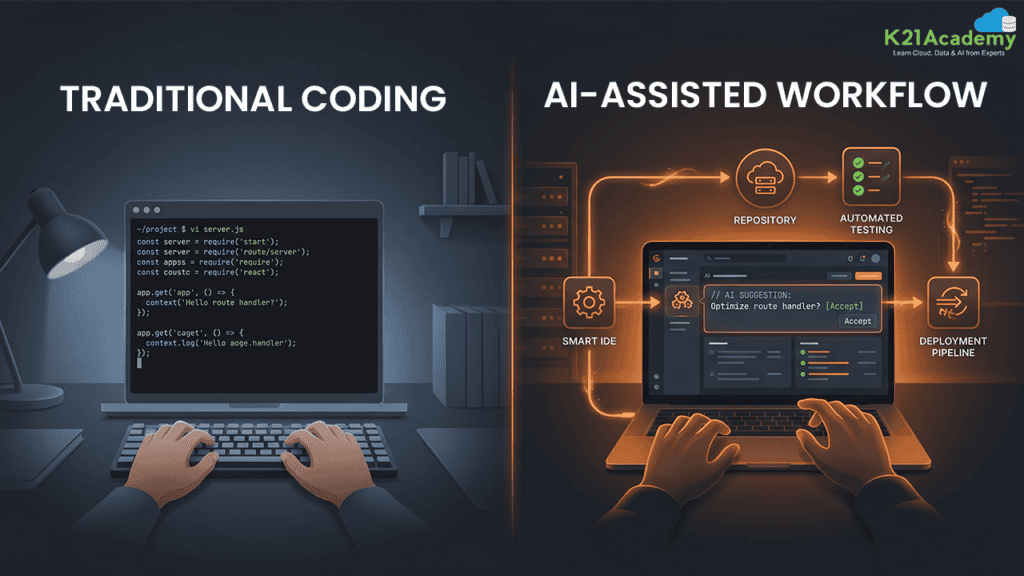
5. Agentic Workflow Automation
Claude Code isn’t just answering prompts.
It can:
- Execute workflows
- Chain tasks together
- Edit multiple files automatically
- Run terminal operations
- Coordinate larger development actions
This is where AI coding is heading in 2026.
And Claude Code is one of the leaders in this shift.
Related Readings: Top 10 Claude Code Use Cases Every Developer Should Know
Where Claude Code Struggles ?
Now for the honest part.
Claude Code is impressive but not perfect.
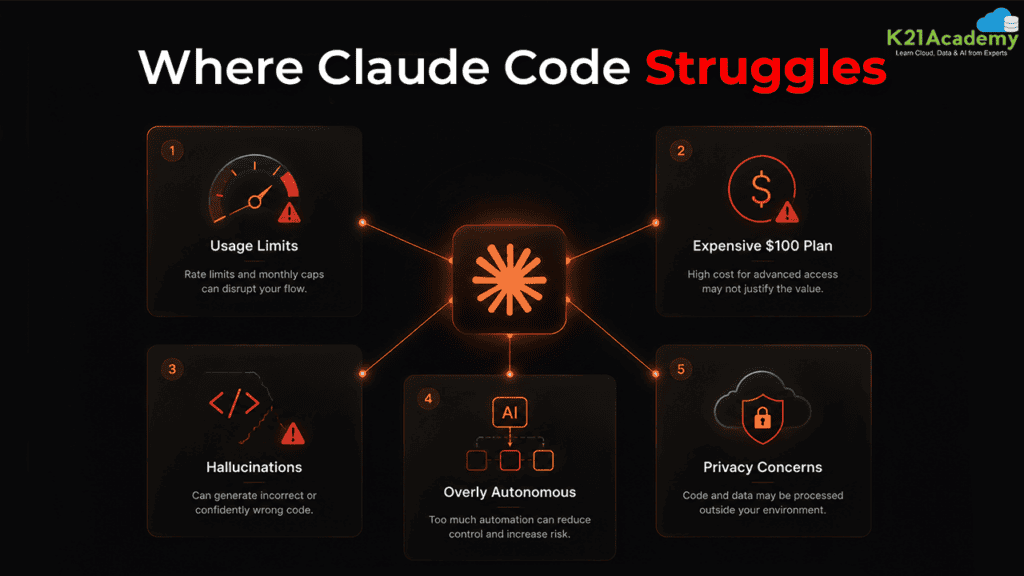
1. Usage Limits Can Be Frustrating
This is the #1 complaint from developers.
Many users report hitting limits quickly on the $20 plan, especially during:
- Large repo analysis
- Multi-agent systems workflows
- Continuous coding sessions
Reddit discussions throughout 2026 show growing frustration around aggressive throttling and unclear limits.
Anthropic has also experimented with changing access structures for Claude Code, which created confusion among subscribers.
If you code heavily every day, the $20 plan may feel restrictive.
2. The $100 Plan Feels Expensive
The jump from $20 to $100 is massive.
For:
- hobby developers
- junior engineers
- occasional users
The pricing can feel difficult to justify.
The premium tier mainly makes sense for:
- full-time developers
- AI engineers
- startup founders
- consultants
- automation-heavy workflows
3. Hallucinations Still Exist
Claude Code is smarter than earlier coding assistants.
But it still:
- invents APIs
- assumes framework behavior
- writes incorrect commands
- occasionally breaks architecture patterns
You still need engineering judgment.
AI supervision is now part of software engineering.

4. Can Become Overly Autonomous
Sometimes Claude Code:
- edits too much
- changes unrelated files
- over-refactors
- introduces unexpected side effects
For experienced engineers this is manageable.
For beginners, it can create dangerous confusion.
5. Privacy & Enterprise Concerns
Although Anthropic states enterprise content is not used for training by default, many organizations still hesitate to allow:
- repository access
- infrastructure credentials
- production workflows
especially in regulated industries.
Related Readings: The Best Chatbot Development Tools
Claude Code vs GitHub Copilot in 2026
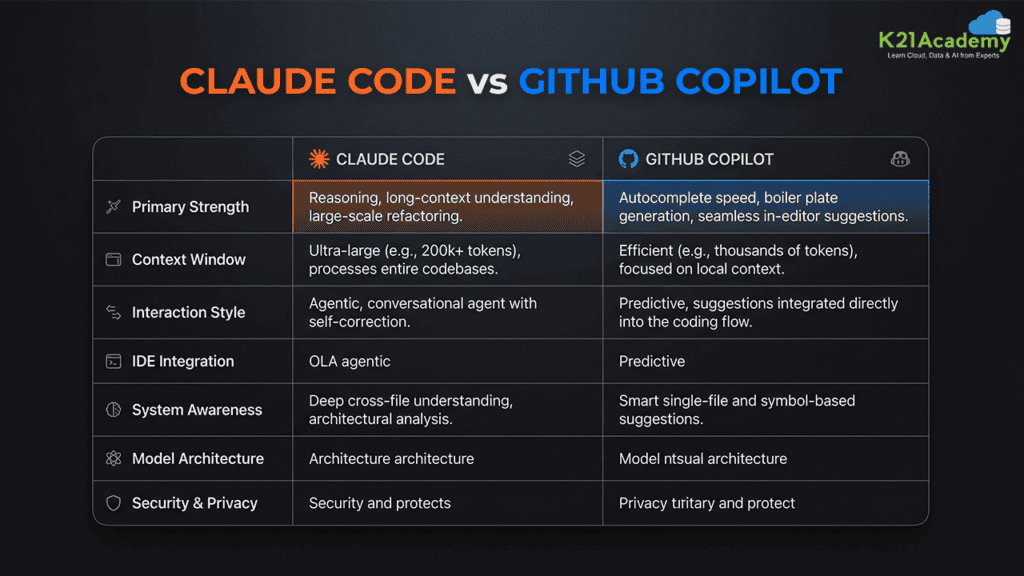
Copilot still wins on:
- ecosystem maturity
- IDE integration
- stability
Claude Code wins on:
- reasoning
- architecture understanding
- agentic ai workflows
Who Should Buy the $20 Plan?
The $20 plan is worth it if you:
- code regularly
- work on medium-size projects
- want AI-assisted debugging
- use cloud/devops workflows
- need documentation help
- are learning modern engineering stacks
It offers excellent value for:
- freelancers
- hackers
- cloud engineers
- AI engineers
- startup developers
For many users, this is the sweet spot.
Who Should Buy the $100 Plan?
The $100 tier makes sense if:
- AI coding is part of your daily workflow
- you run large repositories constantly
- you automate engineering tasks heavily
- you use multiple agents
- you frequently hit usage caps
Typical users include:
- senior engineers
- DevOps consultants
- AI startups
- enterprise teams
- automation-heavy developers
If Claude Code saves you even:
- 5-10 engineering hours monthly
the ROI becomes easy to justify.
Related Readings:- Is Claude Code Worth Learning for Cloud Engineers? Salary Impact, Time-to-ROI, and Best Resources
Who Should Skip Claude Code?
Claude Code may not be worth paying for if:
- you rarely code
- you only need occasional autocomplete
- you are learning basic programming
- your projects are tiny
- you already rely heavily on another ecosystem
In those cases:
- free AI tools
- GitHub Copilot
- ChatGPT
- lightweight IDE assistants
may be enough.
The Biggest Industry Shift Nobody Talks About
The real story is not Claude Code itself.
The real story is this:
Software engineering is shifting from manual coding to AI supervision.
Developers are increasingly:
- orchestrating AI agents
- reviewing generated code
- managing architecture decisions
- validating deployments
- supervising automation systems
Anthropic’s own leadership recently stated that Claude now generates the majority of the company’s internal code.
That doesn’t mean developers are disappearing.
It means the role is evolving rapidly.
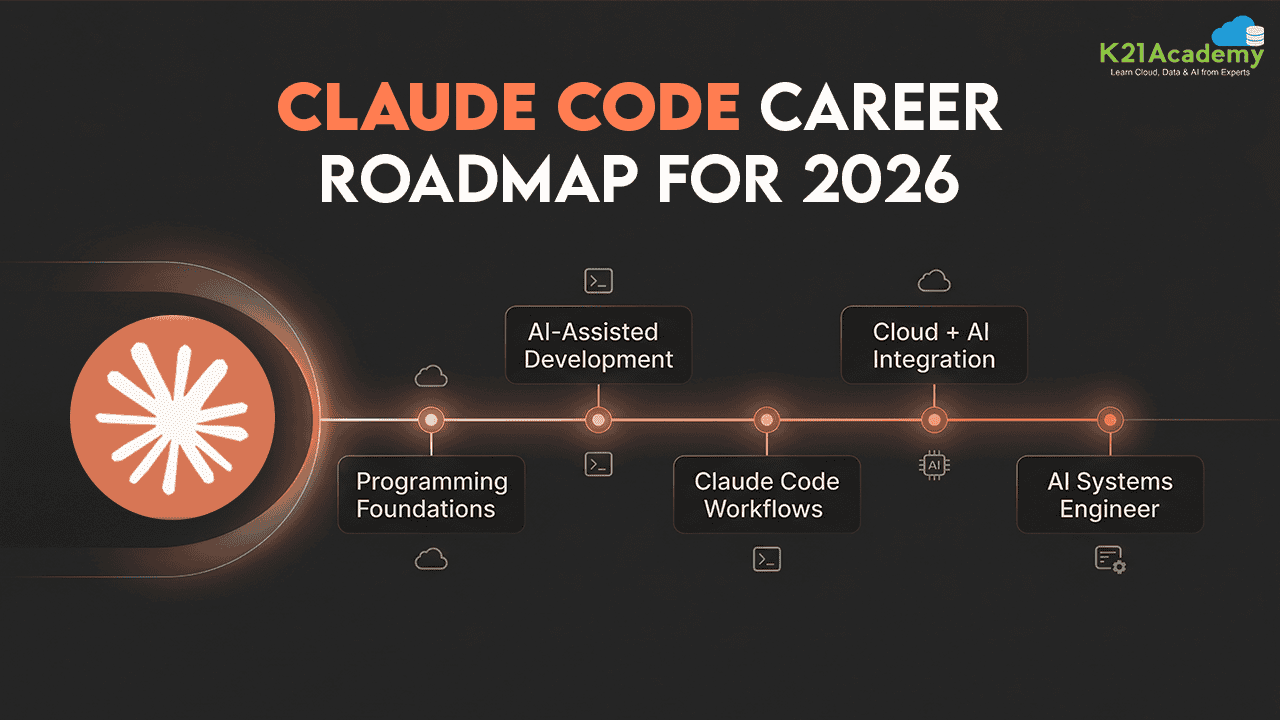
Related Readings:- Claude Code Career Roadmap: Skills Developers and AI Engineers Need in 2026
Conclusion
Claude Code is currently one of the strongest AI coding assistants available for:
- repository reasoning
- DevOps workflows
- infrastructure automation
- agentic development
The $20 plan is excellent for most individual developers.
The $100 plan is only worth it if AI is deeply integrated into your daily engineering workflow.
The biggest downside remains:
- aggressive usage limits
- unclear throttling behavior
- rapidly changing pricing policies
But despite those frustrations, Claude Code represents where software development is heading.
And developers who learn how to work effectively with AI agents today will likely have a major advantage over the next few years.



![AWS DevOps [DOP-C02] Professional Step By Step Activity Guides (Hands-On Labs)](https://k21academy.com/wp-content/uploads/2023/02/DOP-C02-1.png)