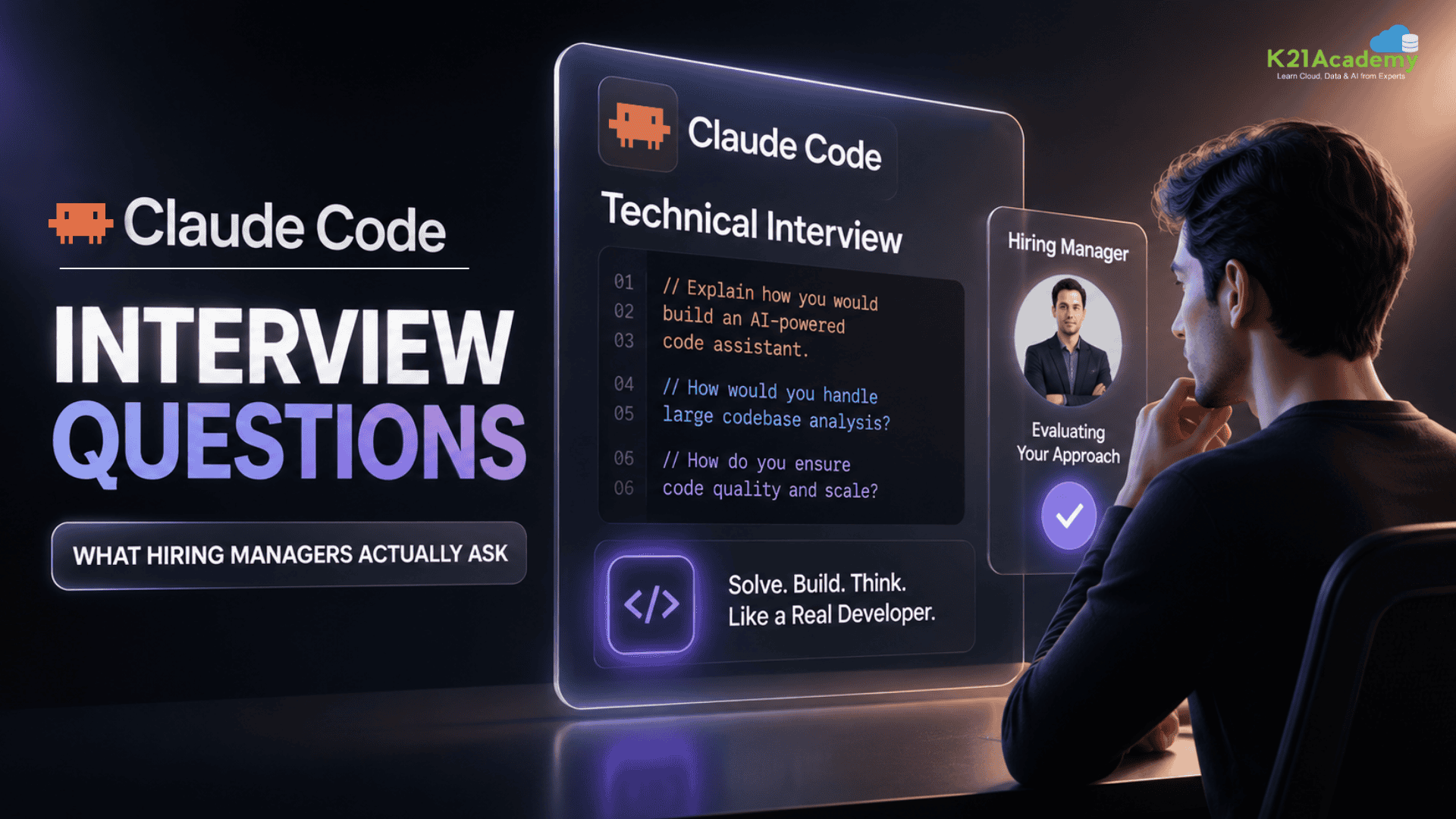





In the past, prompt engineering and generic generative AI concepts were the core topics of AI interviews. Instead of just using ChatGPT to generate code, firms now demand engineers work with AI coding agents to create software. Claude Code by Anthropic is one of the tools in this field that is expanding the fastest. Organisations using Claude Code for debugging, code creation, refactoring, documentation, testing, and workflow automation range from startups to large development teams.
In this guide, you’ll discover the most common Claude Code interview questions asked in 2026, along with sample answers, preparation strategies, and the skills recruiters actually evaluate.
Why Companies Are Hiring Claude Code Professionals
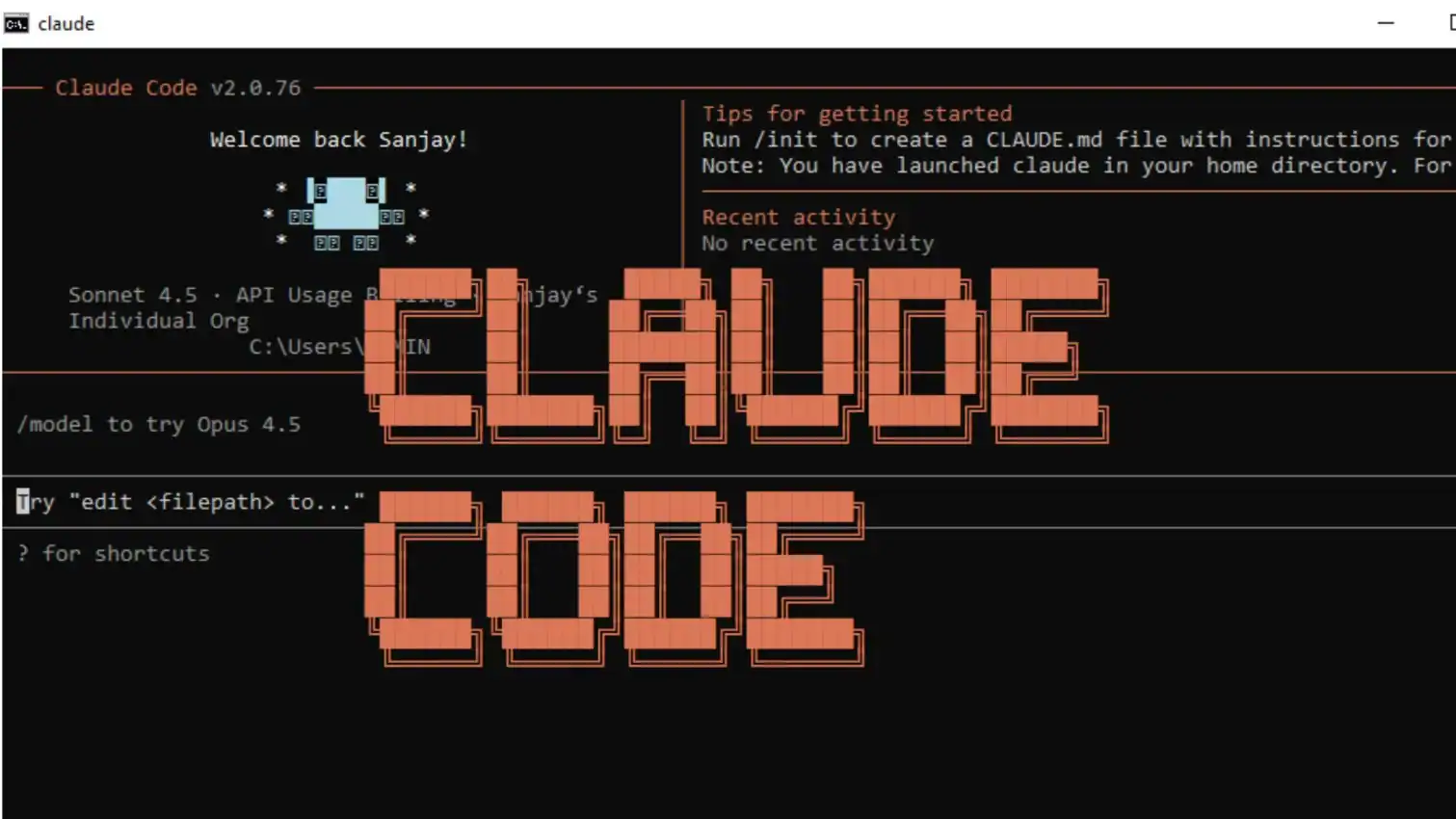
Claude Code is becoming part of modern software engineering workflows because it helps developers
- Write production-ready code faster
- Refactor large codebases
- Generate unit tests
- Understand legacy applications
- Improve documentation
- Build AI-powered developer workflows
- Automate repetitive coding tasks
Instead of replacing developers, Claude Code increases productivity. Employers now look for engineers who can effectively combine AI assistance with strong software engineering fundamentals.
Related Readings: Claude Code Career Roadmap: Skills Developers and AI Engineers Need in 2026
Skills Hiring Managers Look For
Recruiters typically evaluate candidates across five key areas:
| Skill Area | What They’re Looking For |
|---|---|
| Claude Code fundamentals | Understanding capabilities and limitations |
| Prompt engineering | Writing precise coding prompts |
| Software engineering | Clean architecture and design |
| Debugging | Using AI effectively without blind trust |
| Security | Safe handling of code and data |
Beginner Claude Code Interview Questions
1. What is Claude Code?
Claude Code is Anthropic’s AI coding assistant designed to help developers write, debug, refactor, and understand code using natural language. It integrates into development workflows and assists throughout the software development lifecycle.
2. How is Claude Code different from ChatGPT?
Expected discussion:
- Built specifically for coding workflows
- Better context handling across large codebases
- Terminal-based interaction
- Repository understanding
- Developer-focused features
Related Readings: Claude Code vs ChatGPT Plus: Which One Is Worth Paying For in 2026?
3. Which programming languages does Claude Code support?
Mention languages like:
- Python
- JavaScript
- TypeScript
- Java
- Go
- C#
- C++
- Rust
- SQL
- Bash
4. When should you avoid using Claude Code?
A good answer includes:
- Sensitive production secrets
- Critical security decisions without review
- Compliance-heavy code
- Blindly accepting generated code
5. What are Claude Code’s biggest strengths?
Possible points:
- Large context window
- Code explanation
- Refactoring
- Documentation generation
- Test generation
- Architecture understanding
Intermediate Interview Questions
6. Explain prompt engineering for Claude Code.
Interviewers expect candidates to explain prompt engineering as the following:
- Clear instructions
- Defined outputs
- Context inclusion
- Constraints
- Examples
- Iterative refinement
7. How would you debug an application using Claude Code?
Strong answer:
- Describe the issue
- Share logs
- Provide relevant files
- Ask Claude to analyse root causes
- Validate recommendations manually
- Test before deployment
8. How do you improve Claude Code responses?
Mention:
- Better prompts
- More project context
- Breaking large tasks
- Iterative conversations
- Clear acceptance criteria
9. Explain context windows.
Expected answer:
Context windows determine how much information Claude can consider in one interaction. Larger context windows enable understanding of entire repositories, documentation, and multiple files simultaneously.
10. Can Claude Code replace software developers?
Correct answer:
No. Claude Code improves productivity, but developers remain responsible for architecture, business logic, validation, security, and production decisions.
Coding Workflow Questions
Hiring managers increasingly ask scenario-based questions.
11. How would you refactor a legacy codebase?
Explain:
- Analyse architecture
- Identify technical debt
- Refactor incrementally
- Write tests
- Validate functionality
12. How would you generate unit tests using Claude Code?
Expected workflow:
- Provide source code
- Specify testing framework
- Request edge cases
- Review generated tests
- Execute and validate
13. How do you review AI-generated code?
Checklist:
- Correctness
- Security
- Performance
- Readability
- Maintainability
- Business requirements
14. How would you use Claude Code in CI/CD?
Possible answers:
- Code review assistance
- Documentation generation
- Test generation
- Pull request summaries
- Code quality improvements
Related Readings: How to Use Claude AI in Your CI/CD Pipeline
15. Describe your AI-assisted development workflow.
Interviewers want practical experience rather than theory.
Advanced Claude Code Interview Questions
16. How do you prevent hallucinations?
Discuss:
- Provide context
- Verify outputs
- Reference documentation
- Human review
- Automated testing
17. Explain Model Context Protocol (MCP).
Candidates should understand MCP is:
- Tool integration
- External system access
- Secure communication
- Context sharing
Related Readings: Best MCP Servers for Claude Code: Top 10 Picks for 2026
18. How does Claude Code work with Git?
Topics:
- Commit suggestions
- Branch understanding
- Merge conflict assistance
- PR summaries
19. What security risks exist when using AI coding assistants?
Mention:
- Secret leakage
- Dependency risks
- Vulnerable code
- Prompt injection
- Data privacy
20. How would you measure developer productivity after adopting Claude Code?
Possible KPIs:
- Development speed
- PR cycle time
- Bug rate
- Code quality
- Deployment frequency
System Design Questions
Examples include:
- Design an AI coding platform.
- Build a code review assistant.
- Design a secure AI development workflow.
- Build a repository analysis tool.
- Design an AI-powered debugging platform.
Interviewers mainly assess architecture rather than memorised answers.
Prompt Engineering Questions
Examples:
- Write a prompt for generating REST APIs.
- Improve an inefficient coding prompt.
- Generate optimized SQL queries.
- Create documentation prompts.
- Refactor legacy Java code
Related Readings: Top 12 Prompt Engineering Tools for AI Projects in 2026
Behavioural Questions
Common examples include:
- Describe a time AI generated incorrect code.
- How do you balance AI speed with software quality?
- Tell us about a difficult debugging problem.
- Have you introduced AI tools into a team?
- How do you convince skeptical developers?
Related Readings: Top 10 Claude Code Use Cases Every Developer Should Know
Live Coding Questions
Many companies now conduct AI-assisted coding interviews where candidates use Claude Code during problem-solving. Typical claude code interview questions include the following:
- Refactor an API
- Optimize SQL
- Fix a failing unit test
- Build a REST endpoint
- Explain unfamiliar code
- Improve performance
- Generate test cases
Interviewers focus on your collaboration with AI rather than expecting perfect recall.
Mistakes Candidates Make
Avoid these common pitfalls:
- Blindly trusting AI-generated code
- Ignoring security considerations
- Weak prompt-writing skills
- Limited understanding of software architecture
- Inability to explain AI decisions
- Over-reliance on automation
How to Prepare for a Claude Code Interview
1. Learn Claude Code Fundamentals
Understand the tool’s features, workflows, limitations, and practical use cases.
2. Practice Prompt Engineering
Experiment with prompts for:
- Refactoring
- Debugging
- Documentation
- Testing
- Architecture
3. Build Projects
Create projects such as:
- AI code reviewer
- Documentation generator
- Test automation assistant
- Git workflow assistant
- Developer productivity tool
4. Strengthen Software Engineering Skills
Review:
- Design patterns
- APIs
- System design
- Git
- Testing
- CI/CD
- Security
5. Stay Current
Claude Code evolves rapidly. Keep up with new capabilities, workflows, and enterprise features.
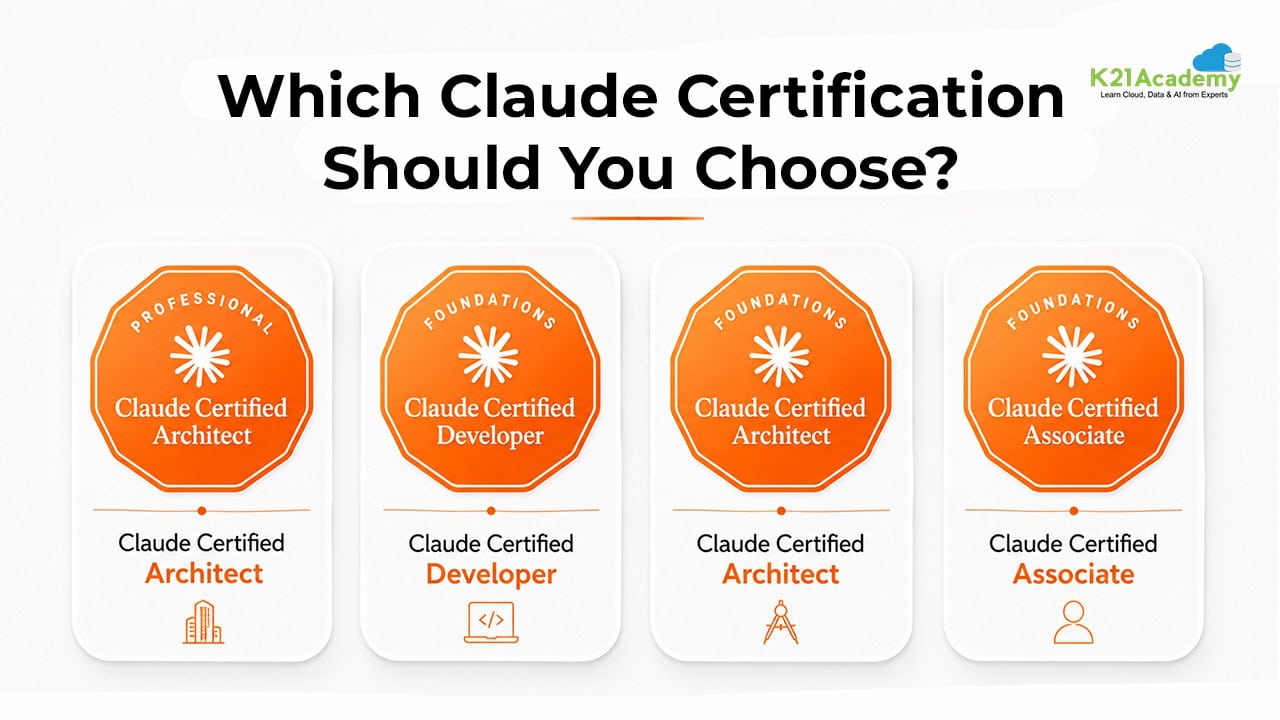
6. Prepare & Earn Certifications
Aim for certifications like the following:
- Claude Certified Architect Foundations (CCA-F) Certification
- Claude Certified Associate – Foundations Certification
- Claude Certified Developer – Foundations Certification
Quick Interview Preparation Checklist
- Understand Claude Code architecture
- Practice prompting daily
- Learn MCP fundamentals
- Build AI-assisted coding projects
- Review system design concepts
- Study software security
- Practice behavioral interview questions
- Conduct mock interviews
- Learn Git workflows
- Stay updated with Anthropic releases
Conclusion
In 2026, Claude Code interviews will focus more on showcasing how you use AI to create dependable software than on learning syntax by heart. Engineers that can critically assess AI-generated code, develop efficient prompts, and apply sound software engineering principles to production systems are sought after by employers.
You’ll be well-prepared for the upcoming generation of AI-assisted software engineering interviews by combining practical experience with Claude Code, solid programming foundations, and careful problem-solving.