






The emergence of global digital ecosystems has transformed business authentication to the authentic users, secured platforms, and trusted experiences. As organisations are shifting over to cloud-native architecture in place of traditional systems, identity verification is turning out to be a fundamental component of digital trust. Biometrics-based and AI-driven cloud-native identity verification workflows offer significantly improved accuracy, efficiency, and scalability compared to traditional systems. The technologies provide businesses with solutions to the restrictions of their old verification systems with fast performance, seamless integrations, and powerful fraud prevention tools.

Learning Cloud-Native Identity Verification
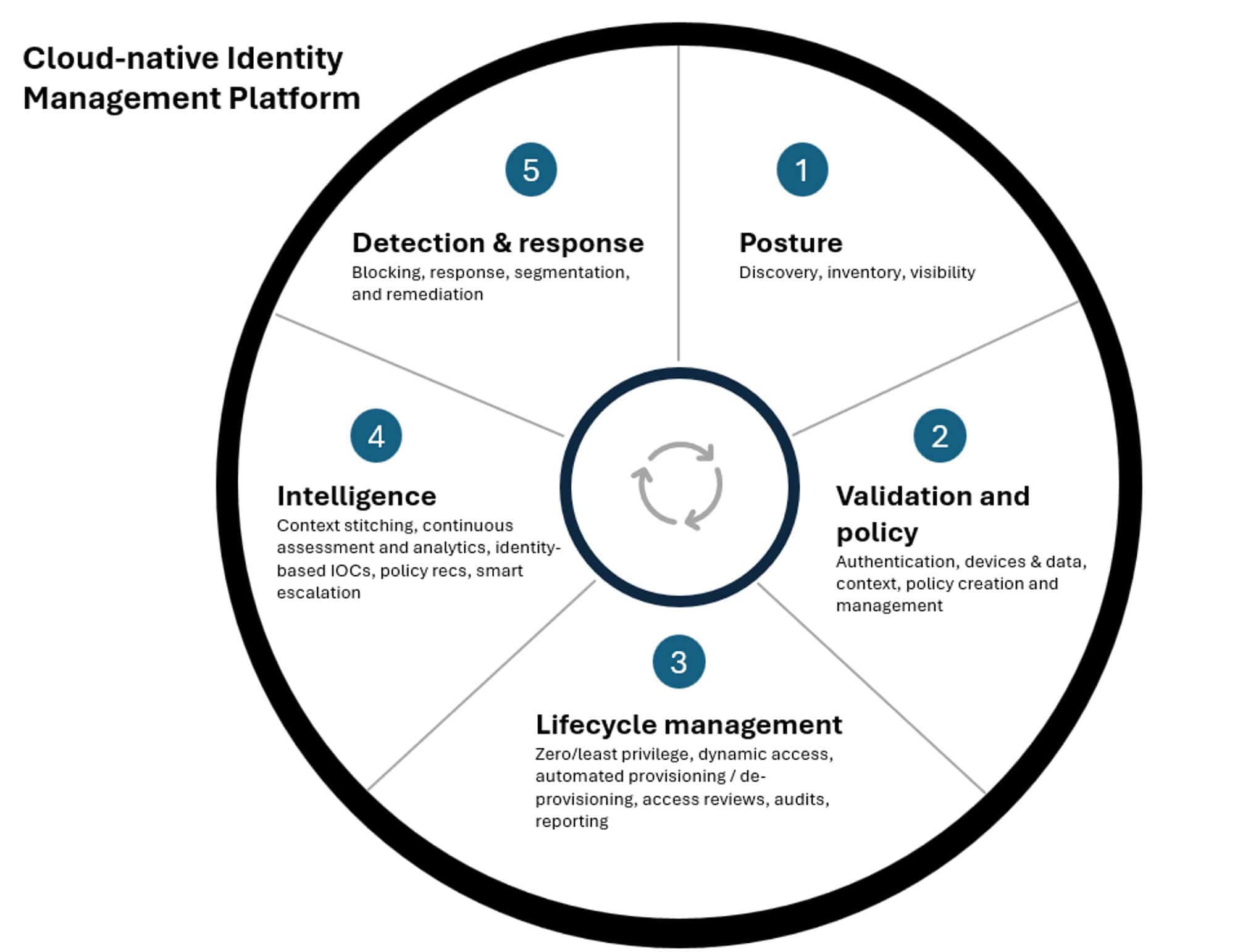
Cloud-native identity verification, Cloud-native authentication workflows, Cloud-native authentication workflows are authentication workflows completely implemented in cloud environments with containerised services, microservices, APIs, and distributed infrastructure. Cloud-native workflows are more flexible, scalable, and easy to implement in global markets, unlike traditional on-premise systems that need intensive hardware as well as strict configuration. This change enables organisations to authenticate users on demand, minimize latency, and implement up-to-date identity tools without the heavy burden of manual upkeep.
Service availability is also increased by cloud-native design. In case one of the components has a problem, the rest of the microservices will not be affected. The cloud-native architecture will mean that the identity verification can continue to work even at high traffic or changing conditions. With the increased presence of businesses online, the need to scale and be adaptive on the spot is a critical competitive edge.
The Biometrics in the Contemporary Verification
Facial recognition and voice patterns, together with fingerprints and behavioural metrics, form the basis of biometric verification that can be instrumental in enhancing cloud-native identity workflows. Biometrics has an unparalleled level of accuracy since the technology is based on distinctive human characteristics and not an insecure one, such as a password or PIN. Using cloud-native architecture, biometric engines are able to process, store, and match data with great speed and accuracy.
One of the most important advantages of face verification based on the cloud is that it can be real-time. To use biometric matching in use cases like creating an account, payment, onboarding, and access control, it has to be instant in order to have a slick user experience. The cloud computing technology enables biometric services to expand dynamically when there is high traffic, therefore maintaining a fast and reliable verification.
Artificial intelligence as the Support of Smart Identity Systems
Artificial intelligence helps improve identity verification since data analysis takes less time, decision-making is better, and anomalies can be identified faster compared to when such data is reviewed by human beings. The level of efficiency that AI models can provide in terms of biometric matches, fraud patterns, and risk scores is difficult to compare to more conventional systems. Machine learning algorithms are constantly upgrading and becoming more precise and resilient to new threats as time progresses through the analysis of new information.
AI is also vital in the verification of documents. Computer vision models are able to read IDs, passports, and documents surprisingly well with modern cloud-native workflows. This is because these systems have the capability of identifying altered images, text, and manipulated features. AI makes it possible to analyze documents more quickly by automating the process and eliminating manual verification, as well as significantly speeding up onboarding.
Significance of Liveness Detection
Liveness detection plays an important role in biometric verification since it can determine whether the individual in the camera is alive and in front of the camera during an authentication. This is resistant to spoofing attacks like printed photos, deepfakes, and replays. Liveness detection in cloud-native workflows is even more potent, as it is provided together with biometric engines and AI systems and provides multi-layered protection.
Higher liveness detection methods employ neural networks to examine minute facial motions and variations in lighting, as well as texture information. This is so that verification is not only fast but also safe. In financial services, e-commerce sites, and businesses subjected to uncertainties of fraudulent activities, liveness detection serves as a good insurance policy that builds consumer confidence.
Creating a Cloud-Native Pipeline of Verification
An extreme cloud-native identification pipeline normally starts with the enrolment of the users. The system gathers biometrics, scans documents, and authenticates individual information. After the upload, data is analysed by AI engines through secure APIs. The process of biometric matching, document validation, and liveness check takes place within milliseconds. In case inconsistencies or red flags arise, the system sends out secondary authentication or human checking.
Since every element is executed in a distributed cloud infrastructure, every workflow step is made as fast and as reliable as possible. Microservices deal with single tasks like image processing, OCR extraction, face matching, and risk scoring. This modular architecture also enables companies to exchange components without impacting the whole pipeline, which will have the head of the verification system in the future, and maintains the system easily.
Related Readings: Monolithic vs Microservices
Security Advantages of Cloud-Native Architecture
In identity verification, security is one of the major factors to consider, and the cloud-native design has a host of security measures. Biometric data is secured through data encryption during transmission and storage. Access controls are used to make sure that only authorised systems or personnel can deal with sensitive data. Cloud monitoring technology monitors abnormal activity and gives real-time alerts to thwart breaches.
Also, cloud providers provide compliance with international standards, including GDPR, SOC 2, and ISO standards. This enables businesses to address global security needs easily. These embedded controls have a major benefit to companies, with identity fraud on the increase.
Security is essential, but so is user experience. Cloud-native authentication processes result in fewer delays and fewer errors, and users can authenticate in a few seconds. Onboarding customers to a financial platform or verifying identity to access online services, the seamless workflow will enhance the conversion rate and minimize abandonment.
Verification using biometrics and AI also develops verification alternatives that are friendly to access. Customers do not have to use complicated passwords and extensive forms. Rather, identity verification is user-friendly and instinctive in that only a face scan or document upload is required to conduct it.
Conclusion
The future of digital trust is the ability to design cloud-native identity verification workflows using biometrics and AI. This architecture unites scalability, speed, and security, enabling organizations to implement verification systems that evolve with threats. Combining biometrics, AI-based decisioning, and liveness detection with frameworks built in the cloud provides businesses with better fraud prevention and improved user experience. Digital interaction will keep cloud-native identity verification as one of its pillars, as digital transformation continues to manifest itself in industries.
Frequently Asked Questions
How is cloud-native architecture different from traditional authentication systems?
Scaling and maintaining traditional systems is challenging because they rely on fixed configurations and on-premise servers. Dynamic scaling, modular microservices, automated upgrades, and quicker deployment are all made possible by cloud-native architecture, which also lowers operating overhead and increases accessibility worldwide.
How does AI enhance identity verification processes?
AI quickly evaluates documents, analyses danger signals, finds abnormalities, and automates biometric matching. Faster decision-making and more precise fraud detection are the results of machine learning models' constant improvement through learning from fresh data.
What industries benefit the most from cloud-native identity verification?
The industries most affected are financial services, fintech, e-commerce, telecom, healthcare, government, HR onboarding systems, and gig economy apps. Any company that needs user authentication that is safe, quick, and automated can profit.
Next Task For You
Begin your journey towards an AWS Cloud by joining our FREE Informative Class on Amazon Cloud Free Class by clicking on the image below.